

Accurate expense tracking in the COA is important for reporting, budgeting, cash flow management, and tax preparation. Operating expenses are the costs of a company’s main operations that have been used up during the period indicated on the income statement. For example, a retailer’s operating expenses consist of its cost of goods sold and its selling, general and administrative expenses (SG&A).
Liabilities
It is used for organizing the financial transactions in the bookkeeping records of a business. Therefore, when crafting a chart of accounts, always consider the tax legislation, financial reporting standards, government regulations and other compliance requirements relevant in your circumstances. The structure of the chart of accounts makes it easier to locate specific accounts, facilitates consistent posting of journal entries, and enables efficient management of financial information over time. This makes it easier to find particular recording transactions accounts across hundreds and thousands of them.
- These features improve reporting and decision-making, making automated numbering systems crucial for modern financial management.
- This allows for much greater granularity and the ability to categorize accounts with extreme precision.
- You can customize your COA so that the structure reflects the specific needs of your business.
- A Standard chart of accounts takes the above Main Categories and Sub Categories and breaks them down into a numerical system.
- Bookkeeping software is more flexible and often saves businesses time on the accounts.
- Keeping your chart up-to-date ensures that your financial data is accurate and useful.
The Financial Statements
Equity is the ownership value in a company, determined by subtracting liabilities from assets. In simple terms, it’s what you have in the business as a company owner (or one of the company owners) or, often, an investor. Current liabilities are short-term debts (a company should pay off within a year), like bills and short-term loans.
- The chart of accounts is a numbered list of all accounts used to record and summarize business transactions.
- These mistakes can cause confusion, lead to inaccurate reports, and create unnecessary cleanup work down the line.
- The general rule for adding or removing accounts is to add accounts as they come in, but wait until the end of the year or quarter to remove any old accounts.
- Comparative Analysis Made Easy – With a basic chart of accounts for small business, you can make month-on-month, year-on-year, and location wise comparison of financial data.
- These numbers are typically four digits, and each account has a unique number.
Chart of Accounts for Small Business Free Download
The chart of accounts helps break down all financial transactions into categories. The more organized the chart of accounts is, the more useful the information presented in it. A chart of accounts matters because it helps simplify your accounting and easily record all financial transactions. A chart of accounts gives you great insight into your business’s revenue beyond just telling you how much money you earn. It shows peaks and valleys chart of accounts numbering in your income, how much cash flow is at your disposal, and how long it should last you given your average monthly business expenses.

Transaction Matching

A chart of accounts organizes your finances into a streamlined system of numbered accounts. You can customize your COA so that the structure reflects the specific needs of your business. An effective numbering system should categorize accounts in a logical sequence, typically starting with assets, liabilities, and equity, followed by income and expenses. This logical https://www.twentybuns.be/best-chicago-accounting-firms/ order helps in maintaining consistency and aids in the quick identification of account types.
This is akin to pruning a garden – sometimes what seems unnecessary at first glance might grow into something invaluable over time. Regular reviews help ensure that your financial system remains relevant and effective, adapting to changes in your business operations or industry standards. One effective practice for small businesses is the use of subcategories under general categories.
Divisional and Departmental Account Codes
- Some packages ask for the business’s industry when setting up the software.
- A COA can quickly spiral out of control if too many unnecessary accounts are added or if different people manage it without a clear system.
- When a specific account is identified as uncollectible, the Allowance for Doubtful Accounts should be debited and Accounts Receivable should be credited.
- The way you classify these expenses in your chart of accounts numbering can significantly impact your ability to analyze your business’s financial health.
- Simply put, liabilities represent money that must eventually be paid out.
- With advanced accounting software, you’ll see how predefined business rules can assign and organize account numbers efficiently, saving time and reducing errors.
In keeping with the double entry system of accounting, a minimum of two accounts is needed for every transaction with at least one account being debited and at least one account being credited. Although the 3 digit chart of accounts numbering system is commonly used there is nothing to stop a business opting for a 4 digit account code structure allowing for up to 10,000 (0-9,999) separate accounts. The code used will depend on the complexity of the business and the amount of detail required from its financial reporting system. Proper numbering supports quicker reconciliations and audits, guaranteeing that every transaction traces back to the correct account.
Code
Implementing a chart of accounts numbering system presents several challenges that can hinder effective financial management. You might encounter issues if the numbering isn’t standardized, leading to misclassification of transactions and inaccurate reporting. Chart accounts numbering plays a vital role in financial management by offering a structured framework for organizing financial accounts. This systematic approach helps you categorize accounts effectively, making it easier to identify and retrieve financial data across your organization. If the rented space was used to manufacture goods, the rent would be part of the cost of the products produced.
Detailed Breakdown of Operating Accounts in a Sample Chart of Accounts with Numbers
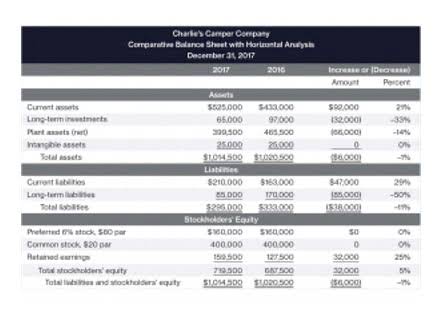
This helps you quickly see how different accounts relate to each other. One key aspect of public company compliance is adherence to Generally Accepted Accounting Principles (GAAP). Think of GAAP as the map for your financial reporting journey, providing a set of guidelines to ensure everyone navigates through the woods (or in this case, financial statements) in the same way.
Chart of accounts: Definition, how to set up, and examples
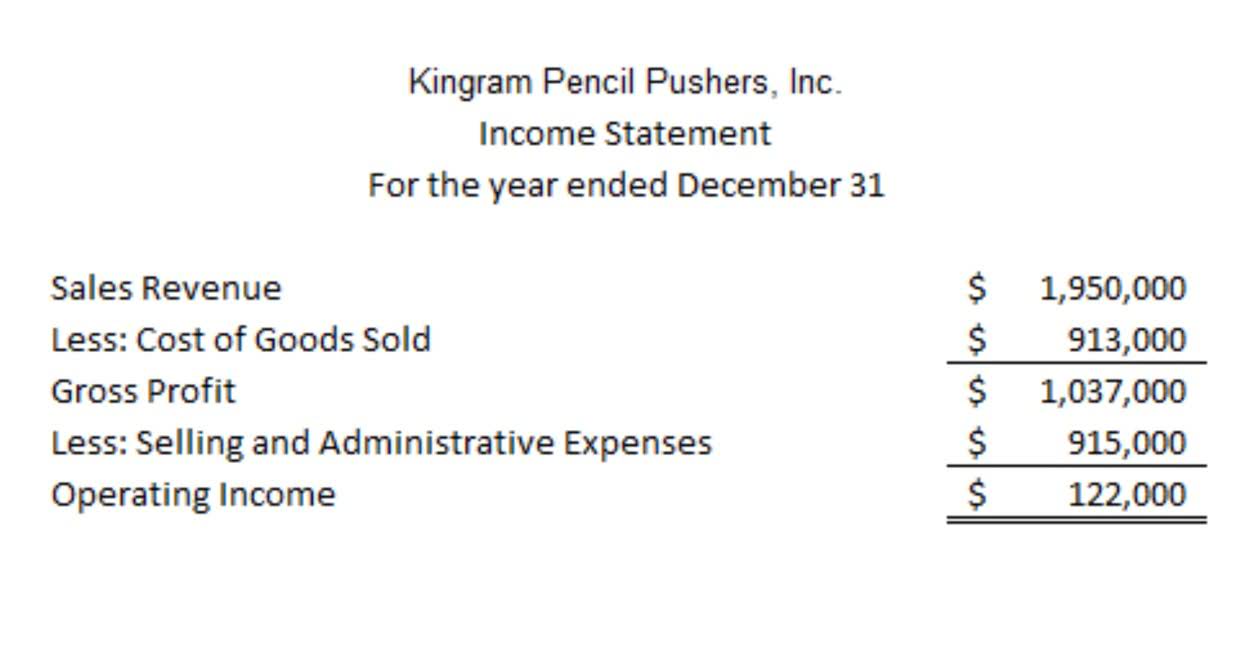
A version of this article was first published on Fundera, a subsidiary of NerdWallet, highlighting the evolving strategies in accounting practices. Starting with a numerical system, major account types are assigned a unique number series. Then, the numbers that follow pinpoint more specific accounts under the main category, allowing for quick identification and preventing any financial mix-ups. Whether you’re looking at a printed ledger or a digital spreadsheet, a consistent CoA numbering system means greater clarity and a reduced risk of errors across your accounting processes. The exact layout of the accounting chart of accounts is a matter of choice depending on the exact reporting requirements of the business. The important point to remember is not to over complicate the chart of accounts.